
Totalitarianism means universal control. The state attempts to control all spheres of life, even crawling into the bedroom. It is not surprising that art becomes one of the first objects of universal control. Both Lenin and Stalin perfectly understood the role of art in managing society, but it was under the latter that totalitarian art flourished in full bloom. In previous eras, the state had never managed to subordinate literally all spheres of life to such an extent.
Found an old Soviet poster? Check its collective value
The Soviet Union and Hitler's Germany were totalitarian states with a dominant ideology. In such states, all spheres of life are subordinated to the dominant idea.
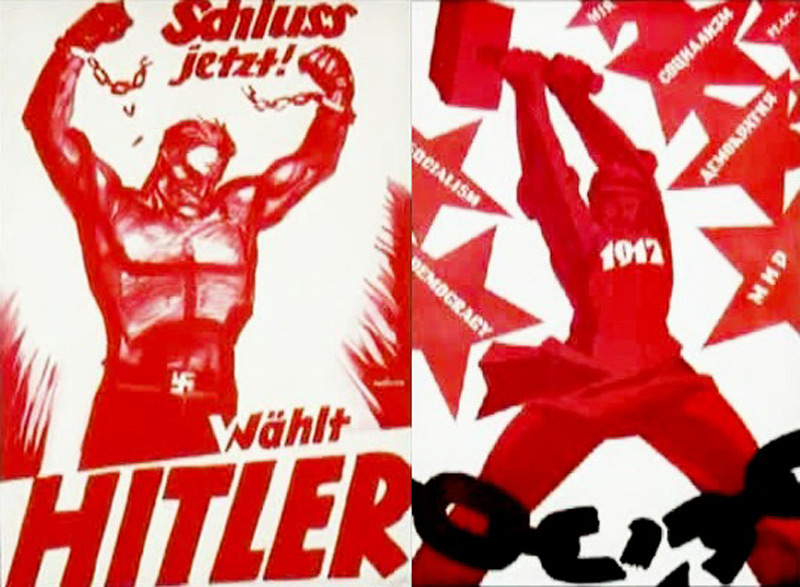
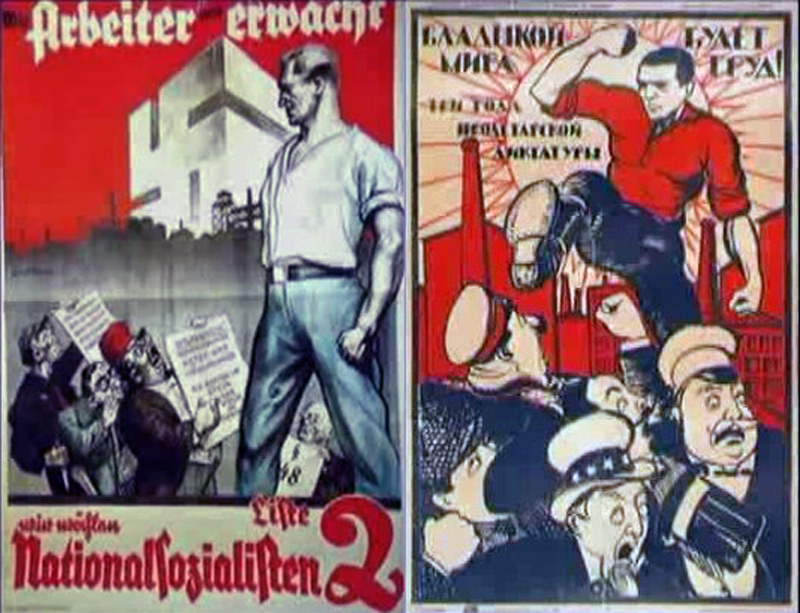
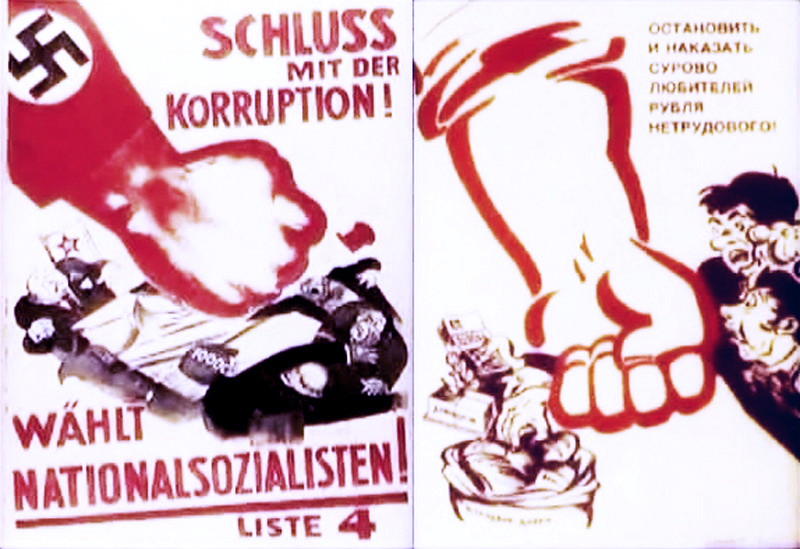
One cannot say that the state had not used art for its own purposes before. Even in the times of Ancient Egypt, we see the glorification of pharaohs and the depiction of their feats in works of fine art. However, never before has the state controlled art completely. Even pharaohs and Roman emperors did not think of this.
The greatest peak of totalitarian art occurred during the reign of the bloodiest dictators in human history, Stalin and Hitler. This was the 1930s. The branch of totalitarian art that originated in the USSR was called Socialist Realism.
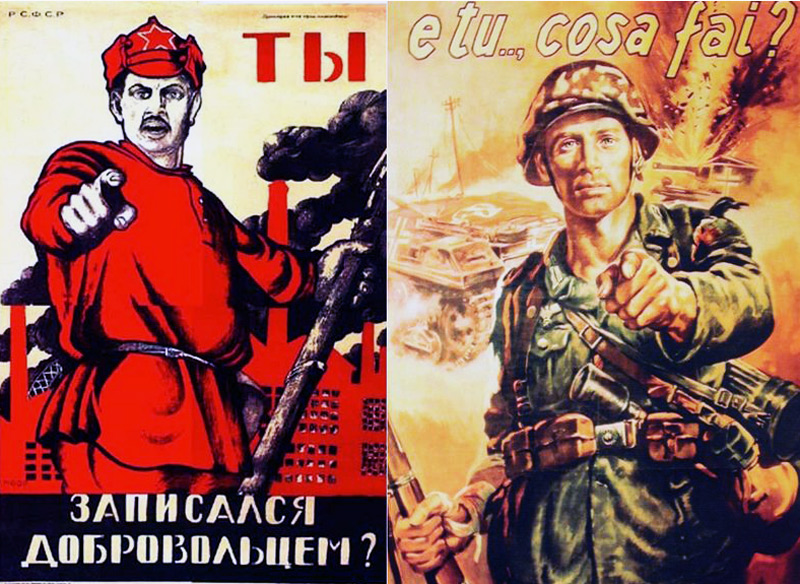
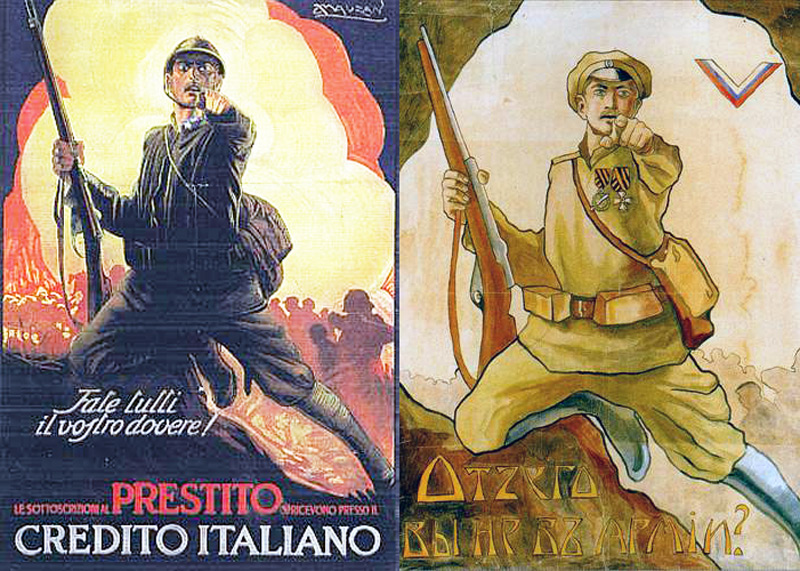
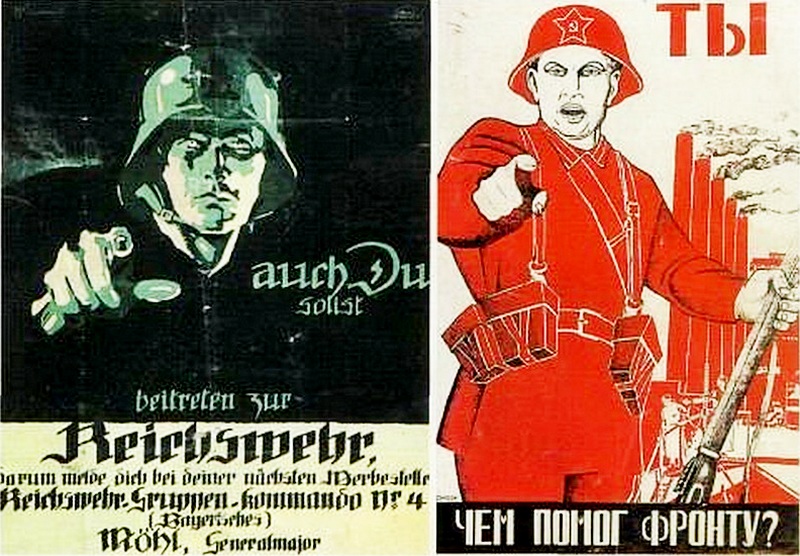
What is the main difference between Socialist Realism and other artistic methods? Works of art may be filled with ideology, but here, art itself recedes into the background. Virtually any of its works becomes a weapon of ideology. This applies not only to painting; remember the films of that era.
To ensure that Socialist Realism was the only art form, the state machine acted very brutally. In the 1930s, an entire generation of talented artists, writers, and composers who allowed themselves the freedom to deviate from "proletarian art" was destroyed. Those who remained quickly understood this and created in the "correct" vein. It must be admitted that the Soviet Union succeeded in raising artists, composers, and directors who turned propaganda works of Socialist Realism into masterpieces of world art.
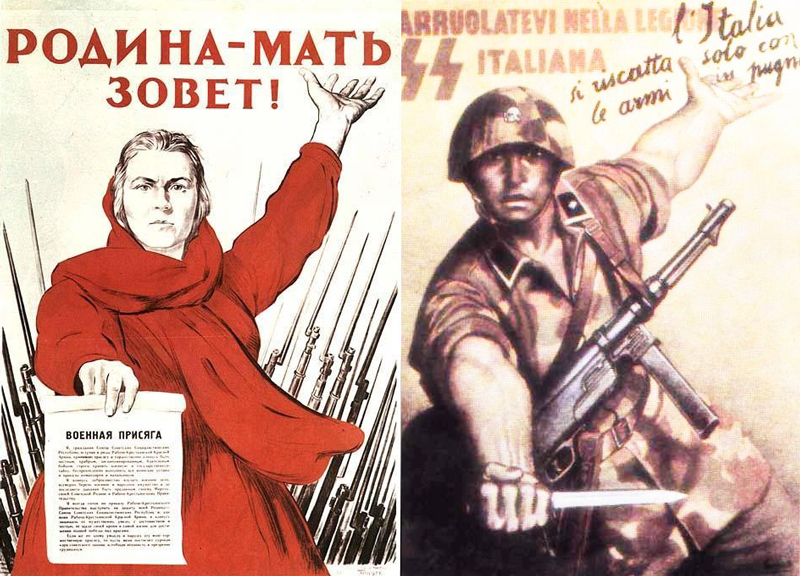
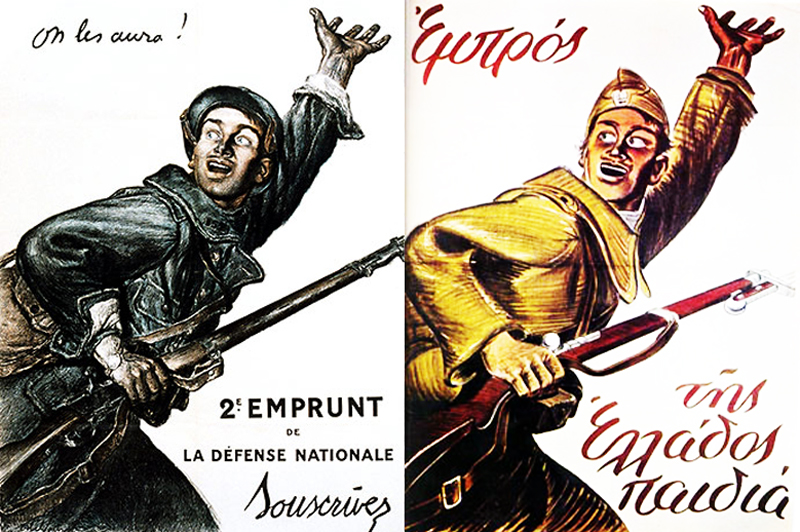
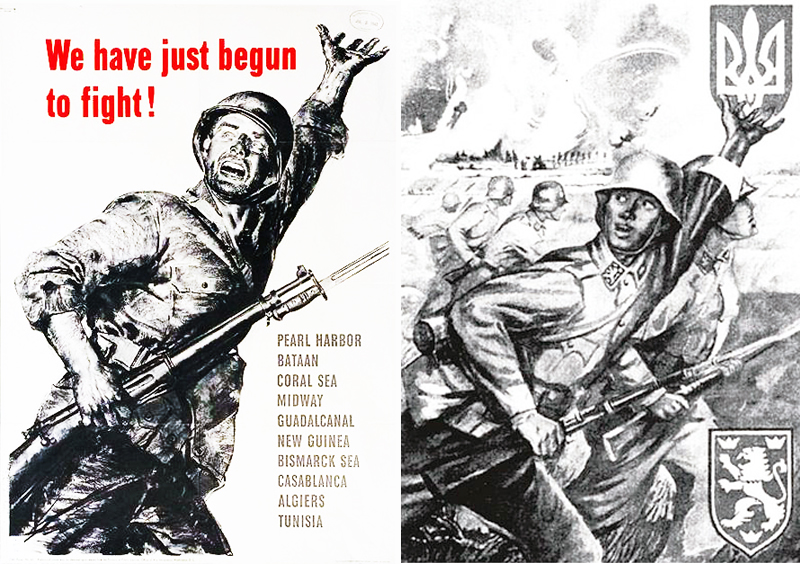
One of the first to attempt to describe totalitarian art as a historical and cultural phenomenon was Igor Golomstock. In his book "Totalitarian Art," he managed to look into the very heart of this phenomenon and describe its essence.
He noted that a totalitarian state forms similar management models. As an example, he cites two seemingly hostile ideologies—communism and fascism—which nevertheless created styles of totalitarian culture very similar in content.
Socialist Realism uses the propaganda machine directly and without disguise. Its main task is to create a bright image, to lead society away from harsh reality into a bright fairytale land, to create a positive mood, and to inspire new feats. Remember the films of that time and the radiant, uplifted mood they create.
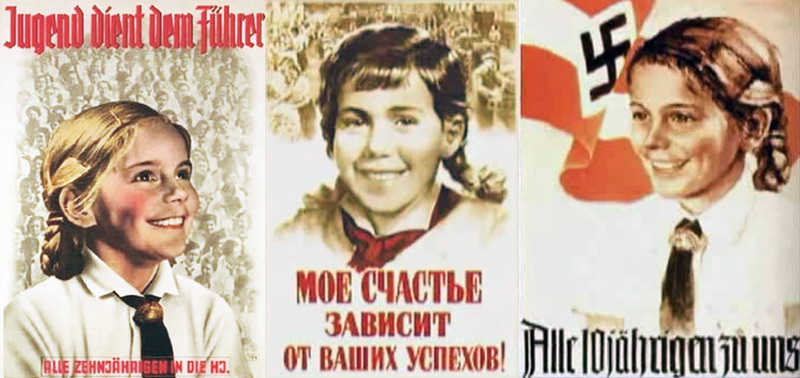
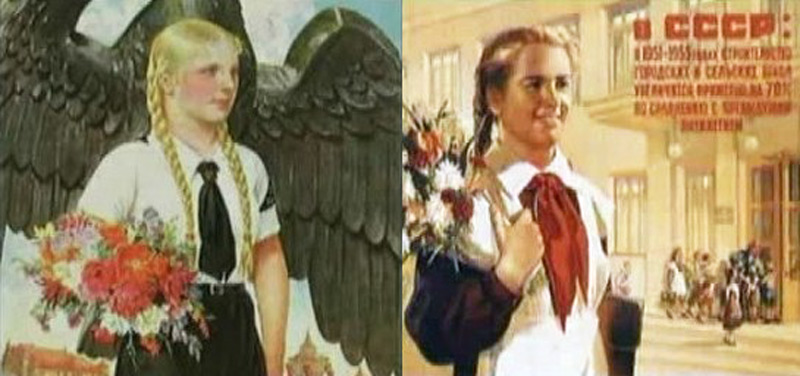
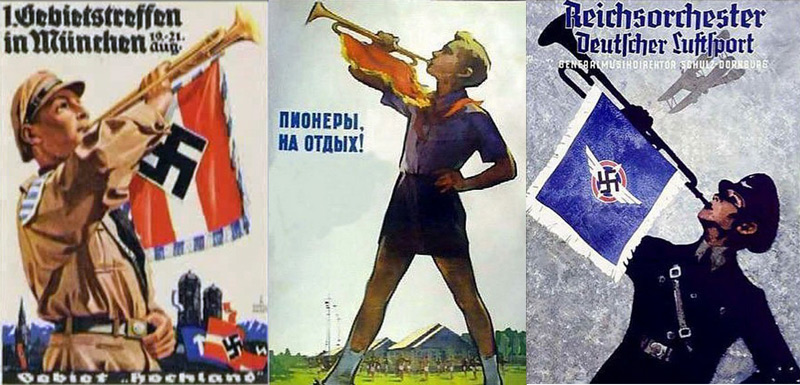
The main theme of Socialist Realism is the leader. Artists tried to reflect the ideal qualities of the heroes in the portraits of the rulers of that era. It must be admitted that they succeeded. Remember the portraits of Lenin, with his kind, penetrating gaze, or the majestic depictions of Stalin, looking at which you understand: here is the hero.
The second most significant entity after the leader was the hero—a person who performed a feat for the sake of the Soviet fatherland, and for that reason, served as a role model.
There were several typical scenes for depicting leaders:
- The leader as an inspirer — a heroic image inspiring victories;
- The leader as a human — sometimes the leader was depicted in simple everyday scenes; especially popular were subjects where the leader was shown among children. Such a subject is a win-win, as any advertiser can confirm.

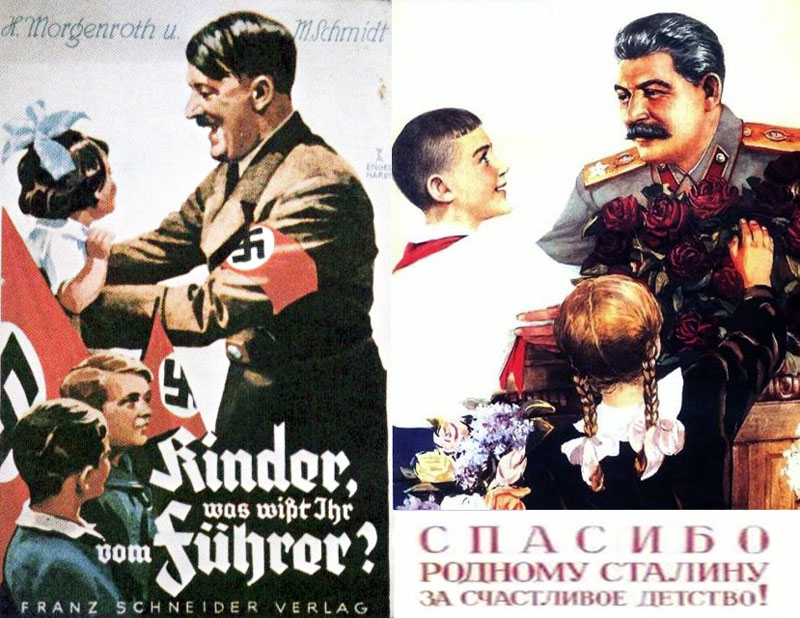
Despite their propaganda focus, the majority of Socialist Realist paintings are genuine works of art, and some are even masterpieces.
By using them in an interior, you can create a special style that brings back childhood memories and is filled with confidence in a bright, joyful future.
Video: Art depicted life not as it is, but "as it ought to be" (the bright future)