
At first glance, there is a chasm between a gilded Byzantine icon and a stern Socialist Realist canvas. One art form serves God, the other — fierce atheism. But if we strip away the slogans and look into the structure of the paintings, we see a striking resemblance. Socialist Realism did not destroy religion; it privatized it.
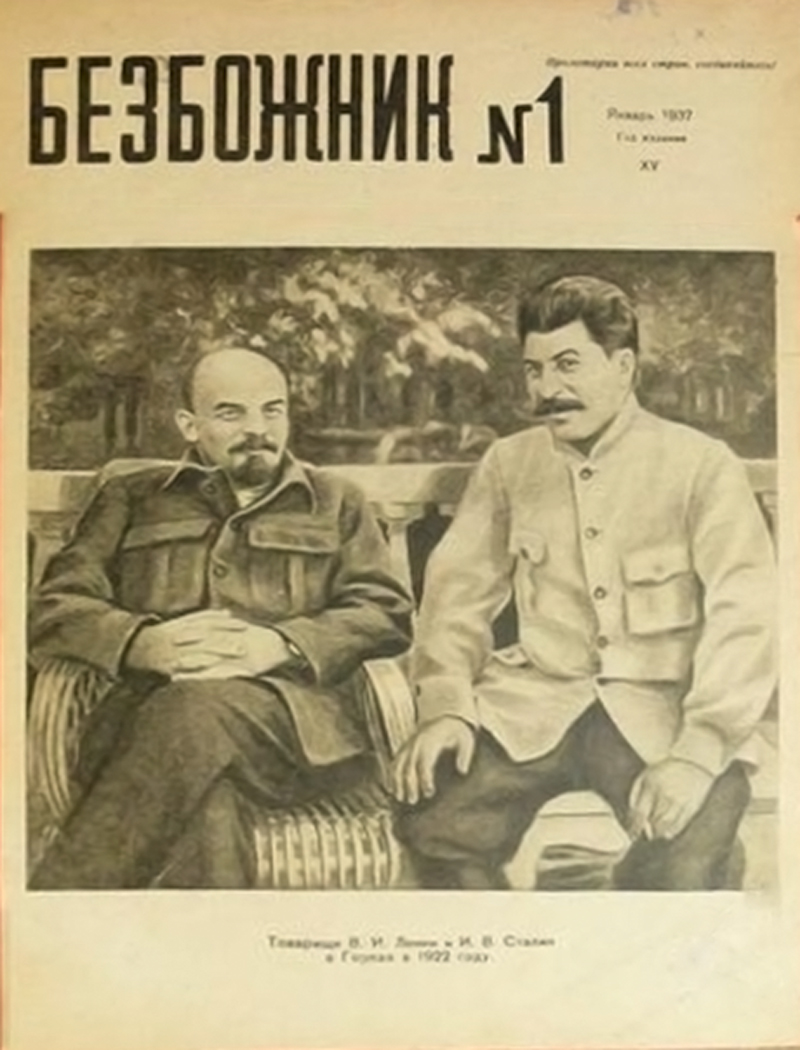 "Godless" people who created a religious cult out of themselves.
The Abolition of God and the Birth of a New Cult
After 1917, the Bolsheviks faced a problem: how to manage the consciousness of a people accustomed for centuries to church canons? The solution was both brilliant and cynical — replace saints with leaders and prayer with a party slogan. Thus, the "Soviet icon" was born.
Do you have a "Soviet icon"? Here you can appraise or sell the canvases people were forced to pray to during the era of communism.
1. Canon above creativity
In icon painting, the artist is not a creator but a humble executor of rules (canons). It was the same in Socialist Realism. There was a strict list of themes: "Lenin in Razliv," "Happy Collective Farm Childhood," "The Soldier's Feat." A step to the left or right was not considered a "search for style" but a political error. Like an icon painter, the Soviet artist depicted an ideal rather than reality.
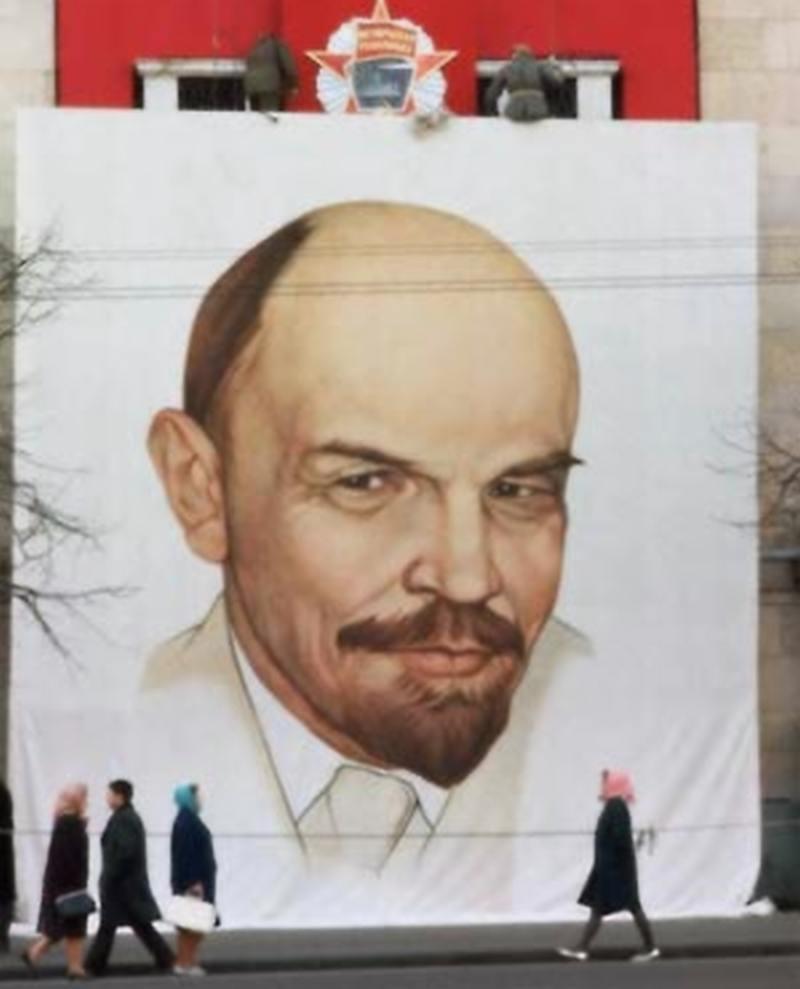 The main icon of the Soviet era.
2. Deification of the character (A halo without gold)
Look at the portraits of Stalin or Lenin from the 1930s-50s. The faces of the leaders are always perfectly smooth, their eyes glow with wisdom, and a soft background glow often surrounds the head, reminiscent of a hidden halo. This is not just a person — it is a supreme being devoid of earthly weaknesses.
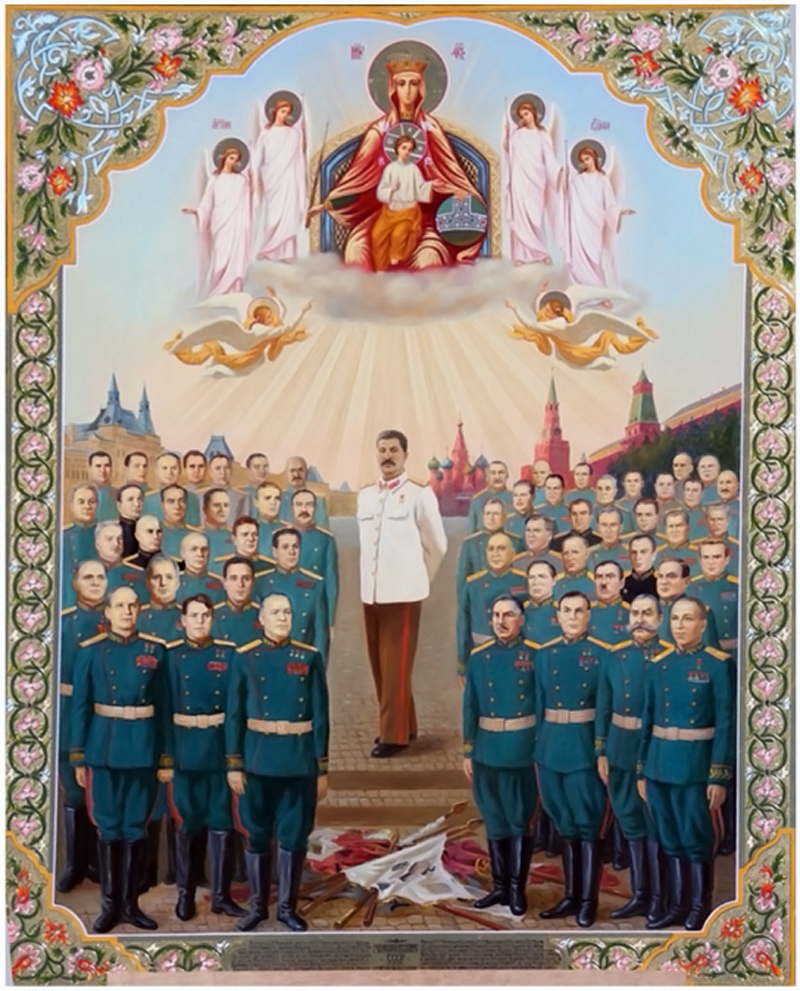 Socialist Realism and icon painting are, as you can see, compatible and look quite organic together.
3. Liturgy in paint
An icon is intended to be prayed to. Socialist Realist paintings performed the same role. They hung in "Red Corners" (the name itself is a direct reference to the place for icons in a peasant hut), they were carried like banners during demonstrations, and they were worshiped at congresses. This was art designed to evoke awe and faith in a bright future.
Why is this important for a collector today?
Today, Socialist Realism is valued not for its ideology, but for its fantastic technical mastery. Soviet artists utilized the classical school, rooted in academism and church painting.
Looking at the canvases of that era, we see not just the "everyday life of workers," but a powerful mythology created according to the laws of ancient icon painting. It is monumental, strong, and profound art that has survived the system that gave birth to it.
Video: Art requires sacrifice